

Minimally Invasive Joint Replacement Surgeon in AZ
Joint conditions such as arthritis or injury can damage cartilage and bone, leading to chronic pain and limited mobility. Minimally invasive joint replacement is an advanced surgical technique that replaces the damaged joint surfaces with artificial components through smaller incisions and less disruption to surrounding tissues. Dr. Longo offers expert diagnosis and minimally invasive joint replacement surgery in AZ, specializing in treatment of the hip, knee, and shoulder. Dr. Longo provides personalized care before, during, and after surgery to support optimal recovery. Contact Dr. Longo’s office today to schedule an appointment!
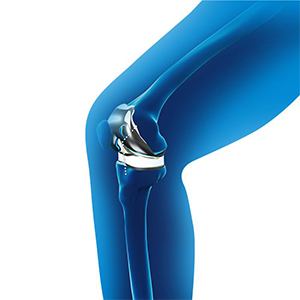
What is Minimally Invasive Joint Replacement?
Minimally invasive joint replacement is a modern surgical technique that uses smaller incisions and specialized instruments to replace a damaged joint—typically the hip, knee, or shoulder—while minimizing trauma to surrounding muscles and tissues. This approach can result in less pain, shorter hospital stays, and quicker recovery compared to traditional open joint replacement surgery.
When is Minimally Invasive Joint Replacement Recommended?
Minimally invasive joint replacement may be recommended for patients with the following conditions:
- Severe osteoarthritis that limits mobility and daily function
- Joint damage from injury or wear-and-tear
- Inflammatory arthritis (such as rheumatoid arthritis)
- Failed previous joint procedures requiring revision
- Joint stiffness and chronic pain unresponsive to conservative treatments
It is most suitable for patients who are relatively healthy, not significantly overweight, and have no major deformities around the joint.
How is Minimally Invasive Joint Replacement Performed?
During minimally invasive joint replacement, your surgeon makes a smaller incision—often 3–5 inches compared to the traditional 8–12 inches. Using specialized tools and advanced imaging, the surgeon accesses and removes the damaged portions of the joint and replaces them with prosthetic components. Because fewer muscles and tendons are disturbed, patients often experience less postoperative pain and regain function more quickly.
What to Expect During Recovery After Minimally Invasive Joint Replacement?
Recovery tends to be faster and more comfortable than traditional surgery. Most patients go home the same day or within 24 hours. Physical therapy typically begins immediately or within a day after surgery. Most patients can return to light activities within a few weeks, and full recovery often occurs within 6 to 12 weeks, depending on the joint replaced and individual health factors.
What are the Risks of Minimally Invasive Joint Replacement?
Like any surgical procedure, there are risks involved, including:
- Infection
- Blood clots
- Nerve or blood vessel injury
- Implant loosening or wear over time
- Need for revision surgery
What are the Benefits of Minimally Invasive Joint Replacement?
Patients often experience several advantages, such as:
- Smaller incisions and less scarring
- Reduced blood loss
- Shorter hospital stay or outpatient surgery
- Faster return to normal activities
- Less postoperative pain and swelling
This approach offers an excellent alternative for eligible patients seeking quicker recovery and improved outcomes.
If you would like more information about the treatment of joint arthritis or want to learn more about minimally invasive joint replacement, please contact Dr. Longo, proudly serving the communities of AZ.